Map the reveal before you write the letter
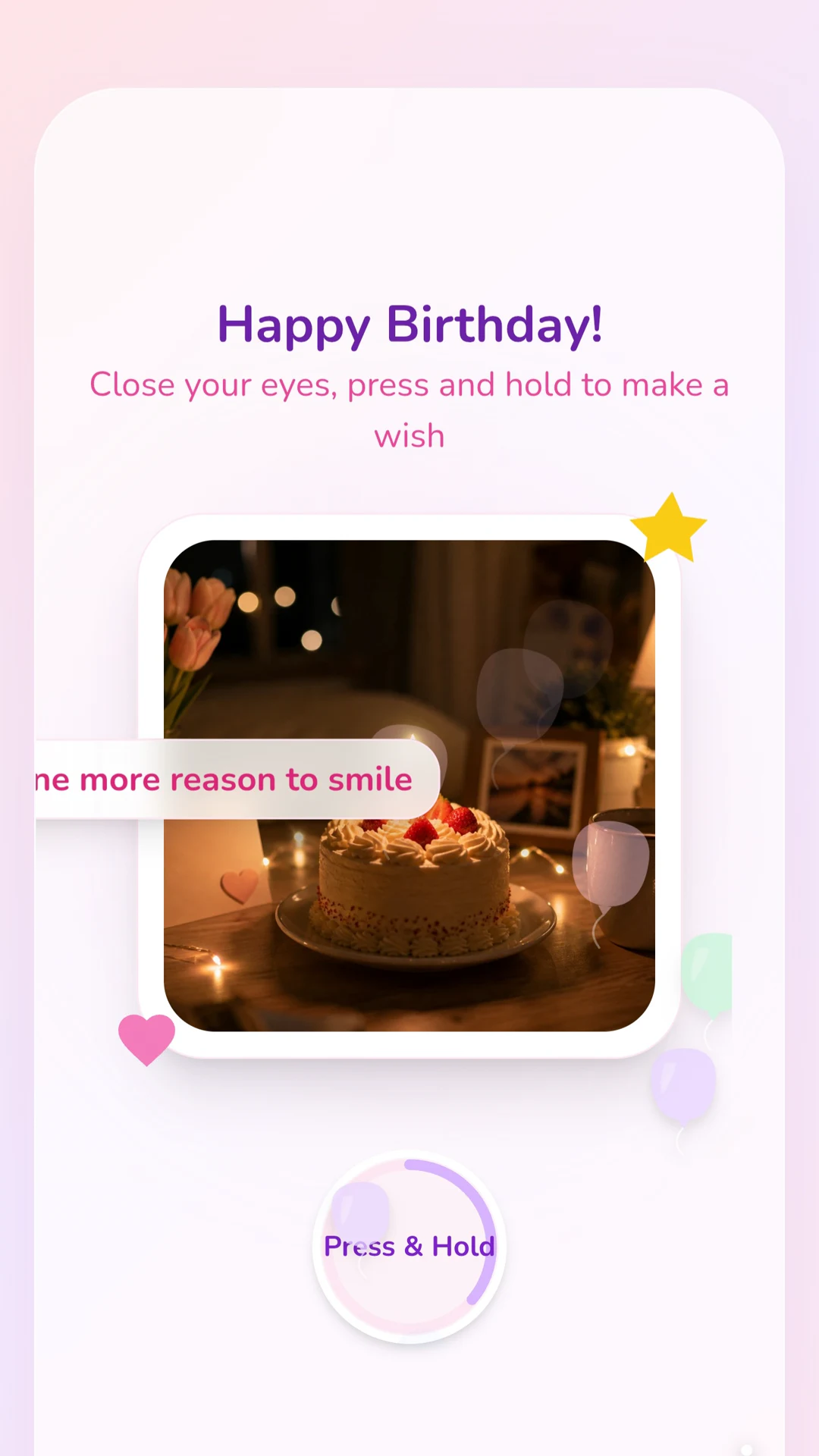
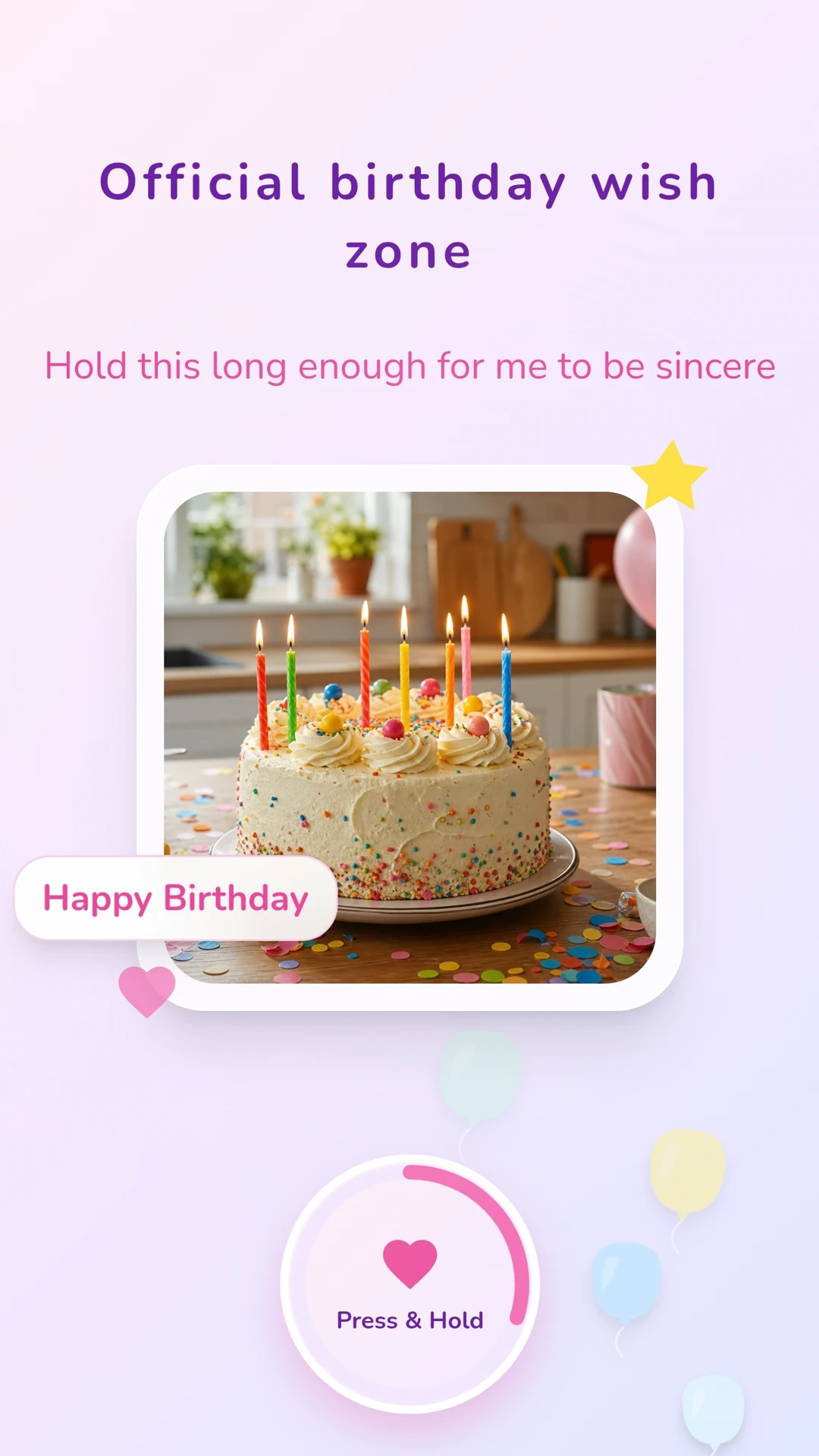
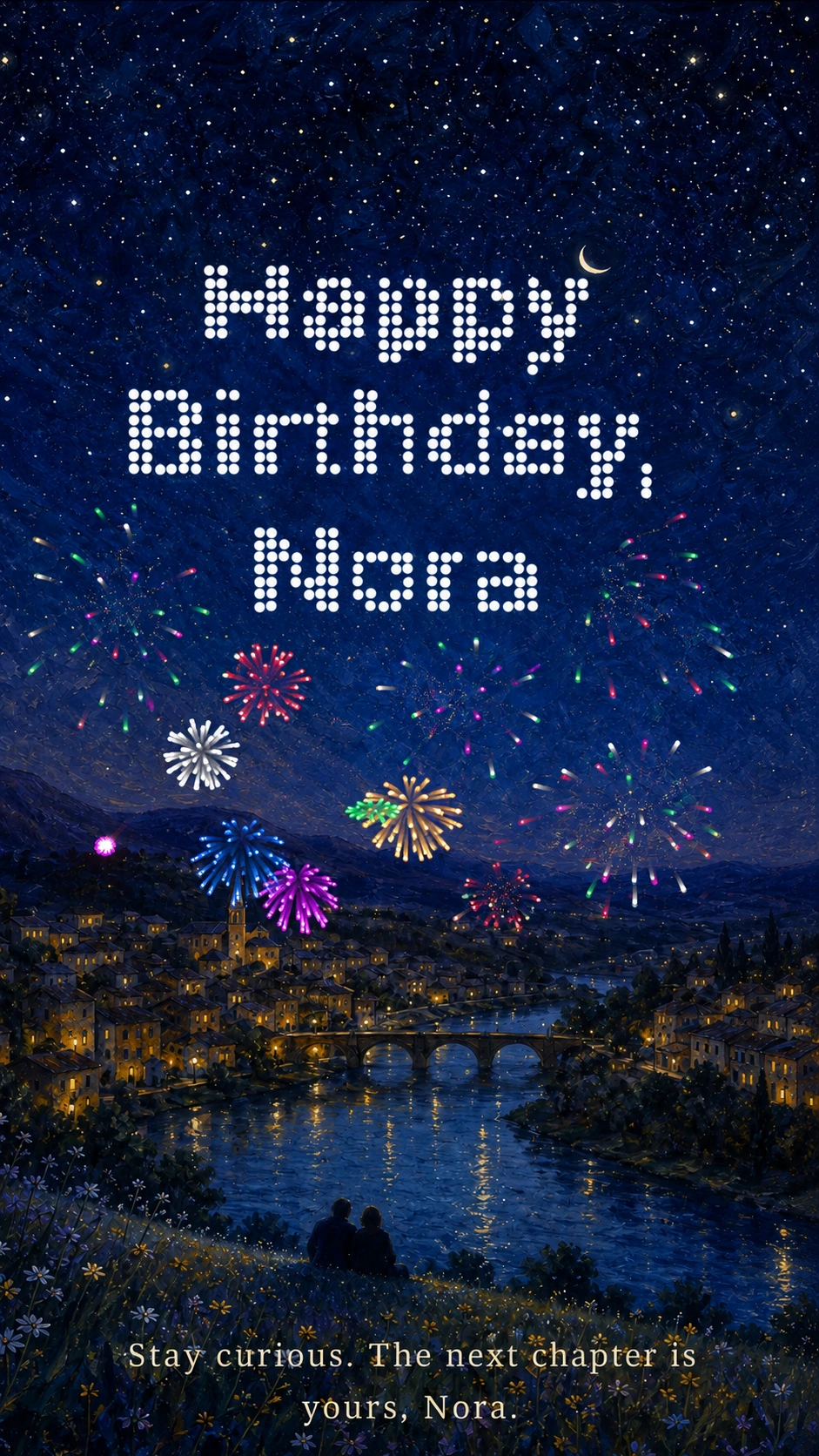
This template works because the recipient has to do something before receiving the most personal words. Decide what each room should change: the entrance creates curiosity, the birthday sparks establish tone, the scratch layer reveals one statement, the chat puzzle sounds like your relationship, the dark room slows everything down, and the letter resolves it.
Write the final letter first if that helps you identify the destination. Then work backward, making each earlier interaction hint at the ending without saying the same thing twice.
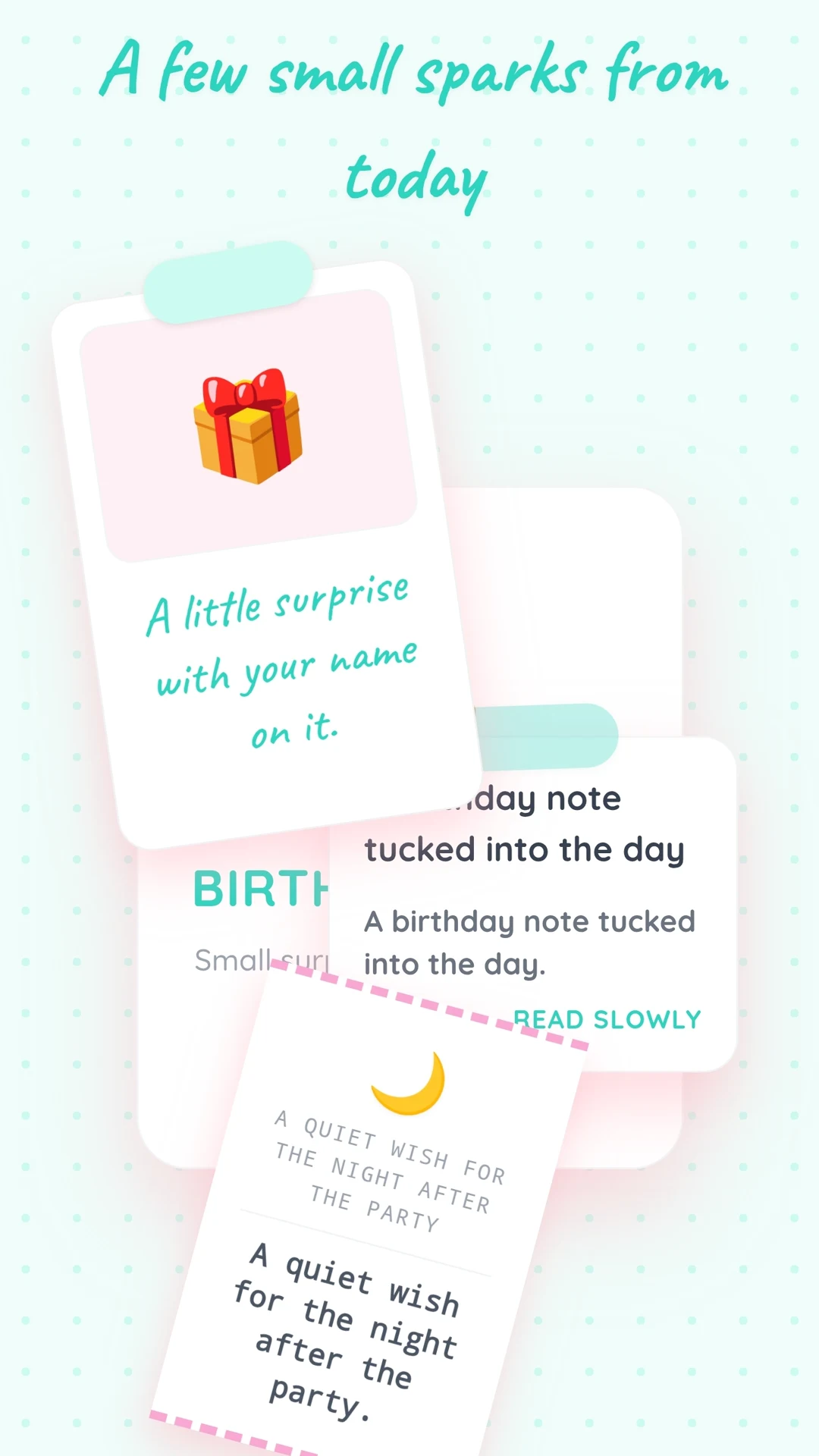
Treat the birthday sparks as pacing choices
The spark fragments are selected from built-in options rather than written freely. Choose up to five that fit the emotional register you want: cake and magic for a brighter opening, a quiet wish or birthday note for something softer, or a reminder of progress before a supportive letter.
Because these phrases already have their own icons and occasional highlights, they do not need extra explanation elsewhere. Let them set the room's mood while your original writing carries the private meaning.
Give the scratch reveal and chat puzzle different jobs
The scratch message should deliver one compact payoff. It can be a playful verdict, the first honest sentence, or the line that tells the recipient the experience is about to become more personal. If it needs several clauses to make sense, move part of it into the letter.
Use the chat puzzle for voice and rhythm. Three short exchanges are often enough to recreate teasing, a familiar question, or the way you normally avoid saying something serious. It is a visualized conversation written by the creator, not a live chat.
Let the dark room earn the final letter
The spotlight scene is most effective when its lines become quieter than everything before them. Use two or three simple statements that acknowledge distance, a difficult year, or how much the person carries. They should create space rather than summarize the letter in advance.
When the light changes and the final letter begins, be specific. Name what you appreciate, what you noticed this year, and what you hope will feel different in the next one. That contrast—effort and play first, clarity at the end—is the reason to choose this design.